
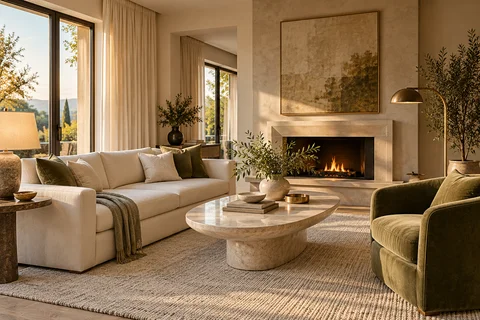
Write the story in terms guests can experience
Describe the feeling of arrival, the relationship with the setting and the kind of stay you want to create. Translate broad words such as intimate or contemporary into observable choices: an enveloping seating group, a restrained palette or a deliberate contrast of textures. Avoid treating an invented story as the property’s documented history. Keep real heritage information separate from creative inspiration.
Choose a representative space for the first conversation
Use one existing room or clearly defined photographed space to explore the direction. A guest bedroom and an entrance lounge have different needs; do not assume one image resolves both. Identify the people who will assess operational and technical questions.
Make the initial brief manageable
- Describe the intended use of the chosen space.
- Record existing architectural features in photographs.
- List operational questions for the operator.
- Agree which decisions the concept should help discuss.
Create a decorative language that can be discussed
Look for relationships between colour, materials, furniture composition and light rather than an exact collection of products. Compare a small number of coherent alternatives and document the features you favour. 3DFUZ uses AI for decorative illustrations. These are visual concepts, not verified product schedules, room-capacity assessments, fire-safety approvals or construction documents. Photographed proportions still need independent checking.
Keep a short decision record beside the chosen concept. Name the recurring palette, the intended mood and the contrasts you want to retain. Distinguish those principles from individual objects that may change during specification. This gives the wider project team something more useful than a vague instruction to copy a picture, without implying that the design is technically resolved.
Separate the concept from a whole-property commission
A standard online study concerns one room in one chosen universe. A hotel, restaurant or several room types require a separately discussed scope and personalised quotation, not an automatic whole-property checkout. Before implementation, agree responsibility for technical design, specifications, procurement and site coordination with the relevant professionals. A concept supports that briefing process; it does not include those services or promise a commercial outcome.